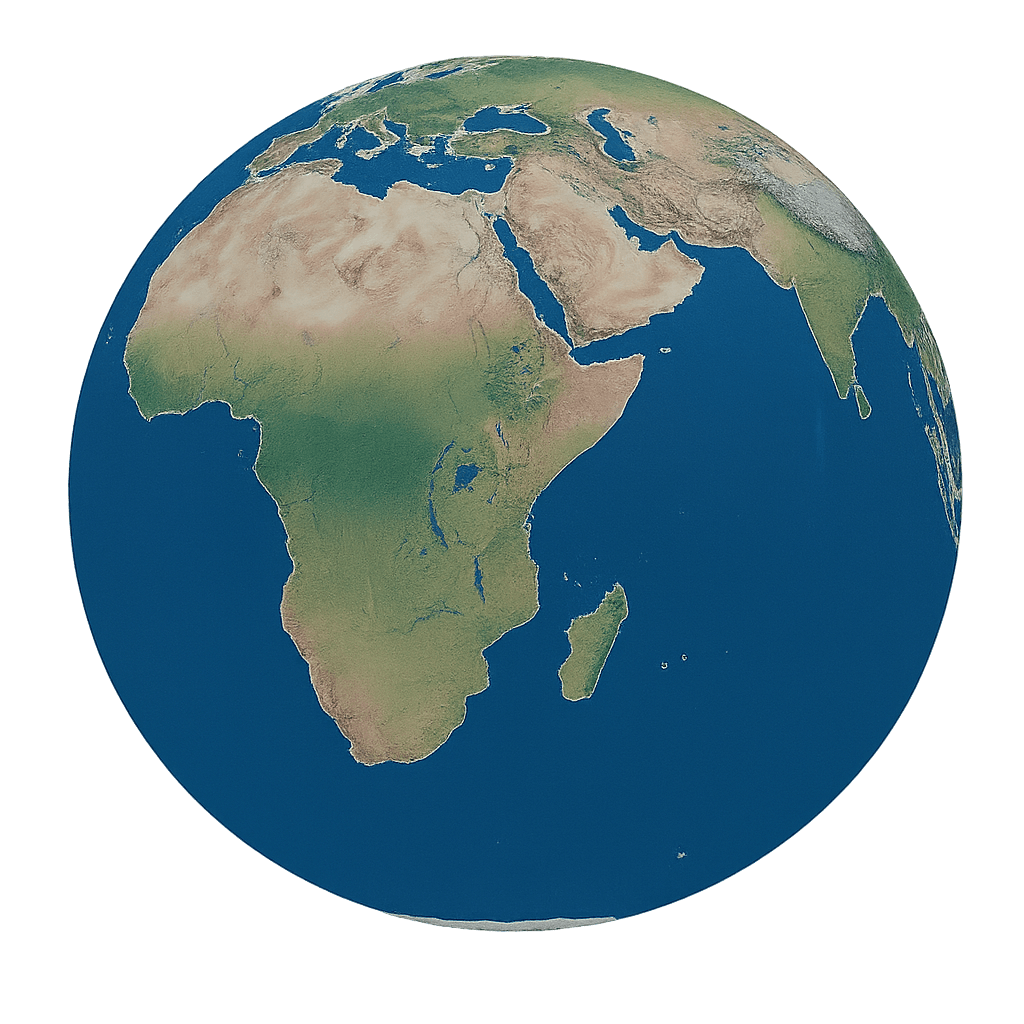

US space weather agency issue geomagnetic storm warning for Dec
According to NASA, a coronal mass ejection (CME) — a large burst of solar material from the Sun — was detected early Monday after a strong solar flare, peaking at 0249 GMT. The CME is now moving toward Earth and is expected to deliver a “glancing blow” to the planet’s magnetic field on Wednesday and Thursday.
NOAA officials said the storm could lead to manageable effects on technological systems, including brief disruptions to satellite operations, mobile networks, GPS signals, and radio communications. Minor disturbances of this kind are not unusual during G2-level events, and significant damage is considered unlikely.
Earlier on Tuesday, parts of Australia and Southeast Asia experienced short-lived radio communication issues linked to increased solar activity, according to Space.com. The storm could also trigger spectacular aurora displays, with northern lights possibly visible much farther south than usual — from New York to Idaho and across the Upper Midwest. Such light shows typically occur near the Arctic but can spread during stronger geomagnetic activity.
Legal Disclaimer:
MENAFN provides the
information “as is” without warranty of any kind. We do not accept
any responsibility or liability for the accuracy, content, images,
videos, licenses, completeness, legality, or reliability of the information
contained in this article. If you have any complaints or copyright
issues related to this article, kindly contact the provider above.
Legal Disclaimer:
EIN Presswire provides this news content "as is" without warranty of any kind. We do not accept any responsibility or liability for the accuracy, content, images, videos, licenses, completeness, legality, or reliability of the information contained in this article. If you have any complaints or copyright issues related to this article, kindly contact the author above.
